From Connectivity to Capability: How 5G FWA is Powering National Digital Transformation
In today’s digital economy, broadband access is no longer just a utility – it’s a strategic enabler of national productivity, social inclusion and economic diversification. For nations across the Middle East and Central Asia (ME&CA) region, the transition from connectivity-as-a-service to connectivity-as-a-platform is underway. Central to this transition is 5G Fixed Wireless Access (FWA) – a relatively under-publicized but powerful lever that many governments and operators are using to accelerate digital transformation.
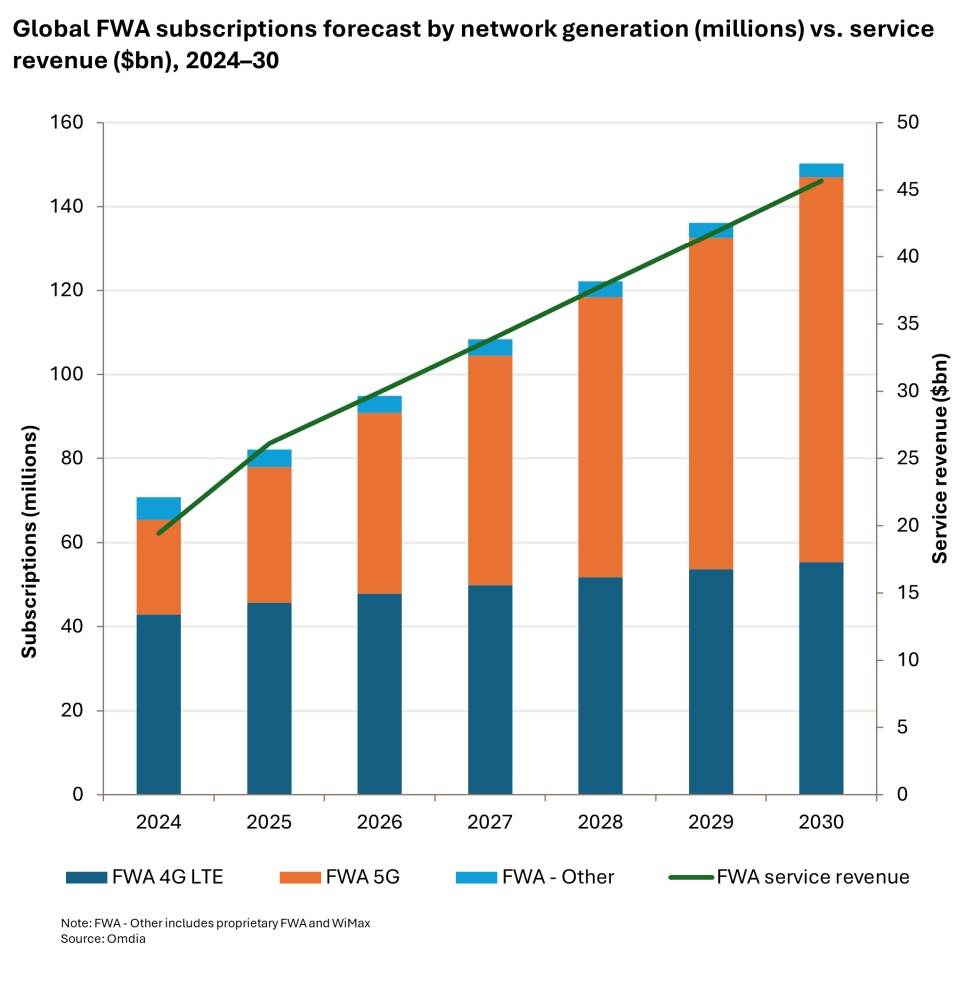
5G FWA Global Subscriptions Forecast to More than Double by 2030
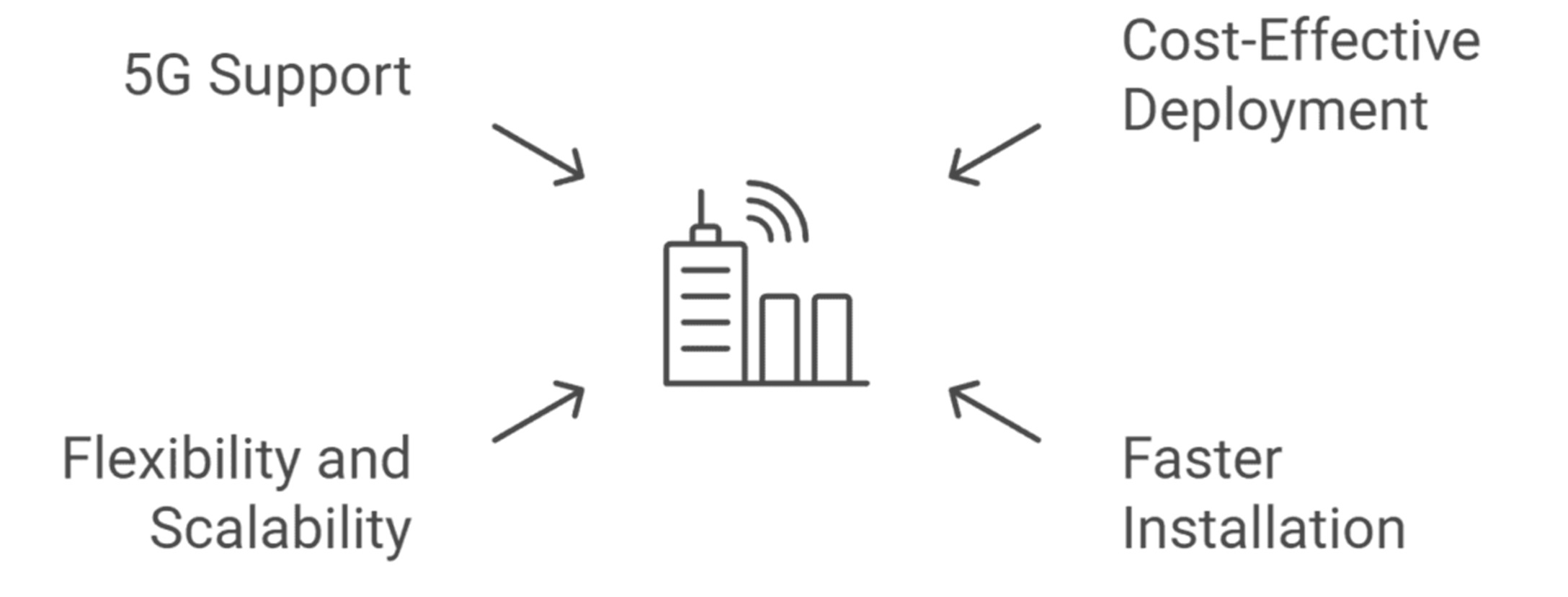
- Key Advantages of Fixed Wireless Access (FWA)
In the ME&CA region, where many governments are pursuing rapid economic diversification (in part to reduce reliance on oil & gas), raise inclusion, advance e-government, education and health systems, and build new digital industries, 5G FWA has emerged as a catalyst. With FWA, household broadband speeds go up, new digital services become viable, and underserved regions gain access to connectivity that previously would have required expensive fiber infrastructure.
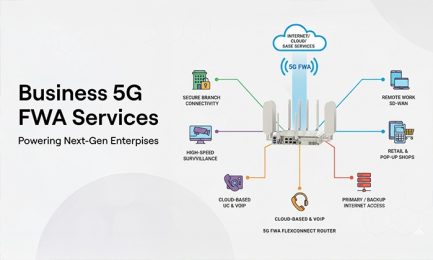
- Enterprise FWA
In summary: 5G FWA is not just about ‘more homes connected’ – it is about enabling a transformation of how citizens engage digitally, how enterprises operate, and how national economies evolve. This article explores that transformation in some of the region’s leading and emerging markets: the UAE and Saudi Arabia (deep dives), plus Kuwait, Qatar, Uzbekistan, Kazakhstan and Mongolia. It highlights how telcos and ICT players are working alongside government programs, the measurable outcomes achieved so far, and the lessons for nations as they accelerate their digital journeys.
Importance of 5G FWA for National Digital Agendas
There are three key aspects by which 5G FWA drives national digital transformation.
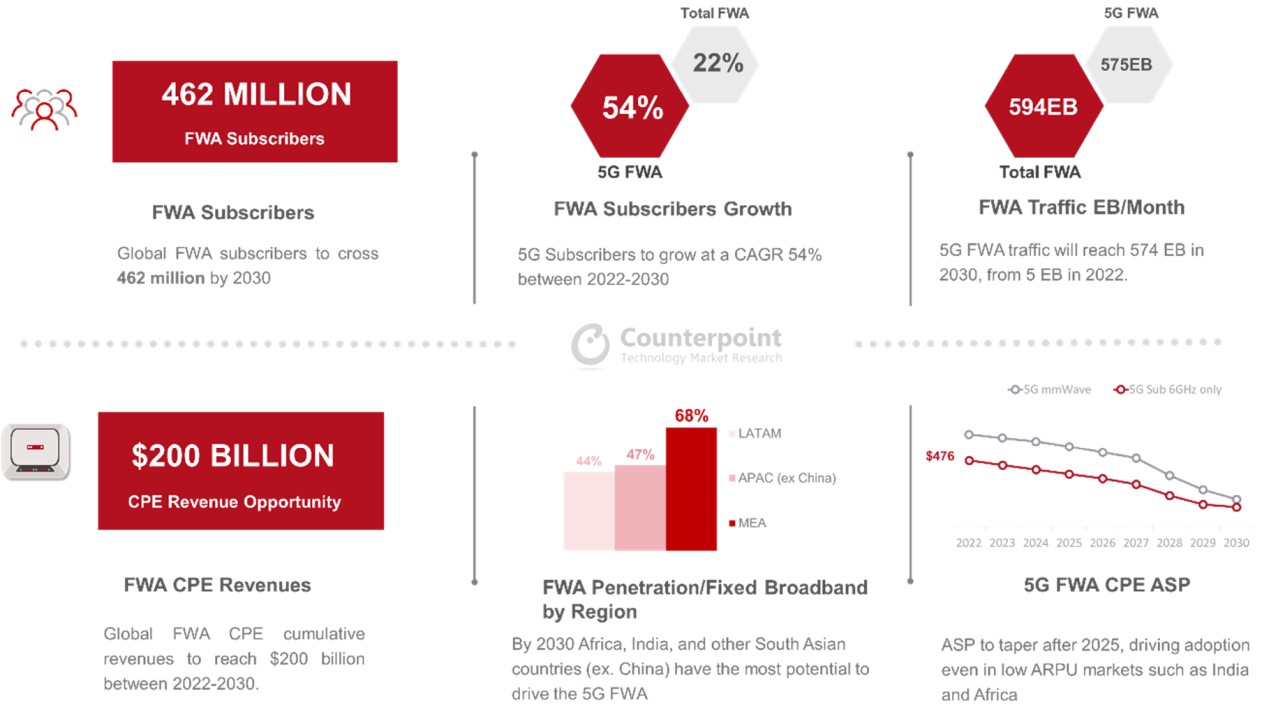
In many markets, the last-mile broadband access remains the bottleneck for inclusion of suburban, new town, rural or industrial zones. 5G FWA sidesteps much of the trenching, cabling and civil works that traditional broadband needs – by using 5G mobile & radio networks connecting directly and wirelessly to CPE (customer premise equipment). This means broadband services can go live in a very short span of time, opening up new service opportunities, such as online education, tele-health, digital enterprise services and home-working possibilities much sooner – than possible in traditional fixed line broadband connections. Industry forecasts show that FWA connections are set to exceed 460 million by 2030 and 5G FWA will have a CAGR of 54% between 2022 and 2030.
5G FWA Global Update: Connecting the Next Half Billion Households
2. Providing a Platform for New Digital Services
Once high-speed access is delivered, the next step is monetizing digital services – bundling education platforms, cloud gaming, telemedicine, SME cloud bundles or smart-home services etc. Because 5G FWA offers reliability and high throughput (and increasingly low latency), operators can shift from ‘just internet access’ to ‘digital experience’ offers – leading to higher ARPU and higher value for end-users.
- FWA Enables Digital Services
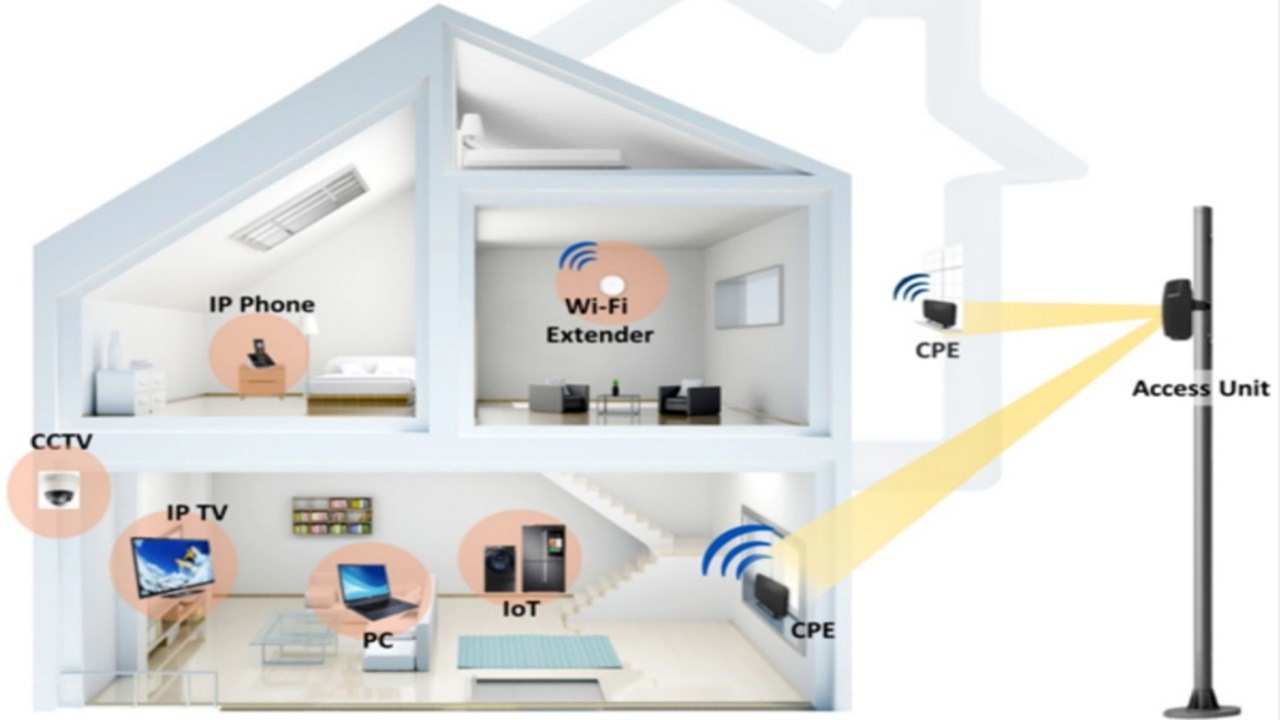
For example, research shows FWA can raise ARPU by 3-5 times for home broadband when paired with value-added services.
3. Enabling Enterprise and industry Digitalization at Scale
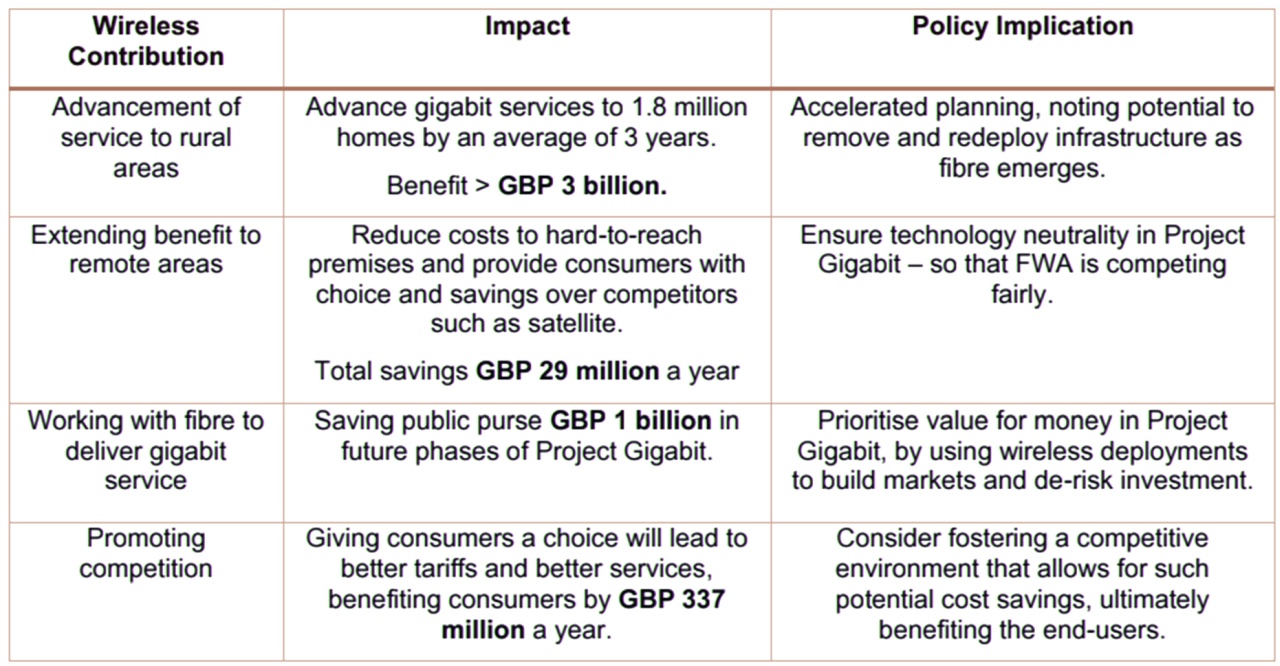
Beyond homes, 5G FWA is a gateway to enterprise connectivity, IoT, private networks and edge-cloud services. In less fiber-dense regions, enterprises can deploy private or hybrid 5G FWA instead of waiting for fiber. This supports automation, remote monitoring, smart logistics and digital health infrastructure. In short: 5G FWA becomes infrastructure for digital industry, not just consumer connectivity. Together, this builds a virtuous cycle: faster, more affordable broadband that leads to richer digital services, a higher uptake and digital participation and this an economic and social transformation and GDP Boost.
Disclaimer: Any views and/or opinions expressed in this post by individual authors or contributors are their personal views and/or opinions and do not necessarily reflect the views and/or opinions of Huawei Technologies.
Leave a Comment