Technology-enabled Open Schools for All Goes Nationwide in Thailand
Huawei, UNESCO, and Thailand’s Ministry of Education are taking the Technology-enabled Open Schools for All (Open Schools) initiative nationwide in the Southeast Asian nation.
The project focuses on strengthening digital infrastructure and teaching capabilities in underserved areas, ensuring schools have access to reliable and modern learning environments.
The national launch event, which took place at Buriram Pitthayakhom School on March 4, follows the completion of pilot Open Schools projects in rural secondary schools in Buriram and Sisaket provinces, which are located in the northeastern region of Isan.
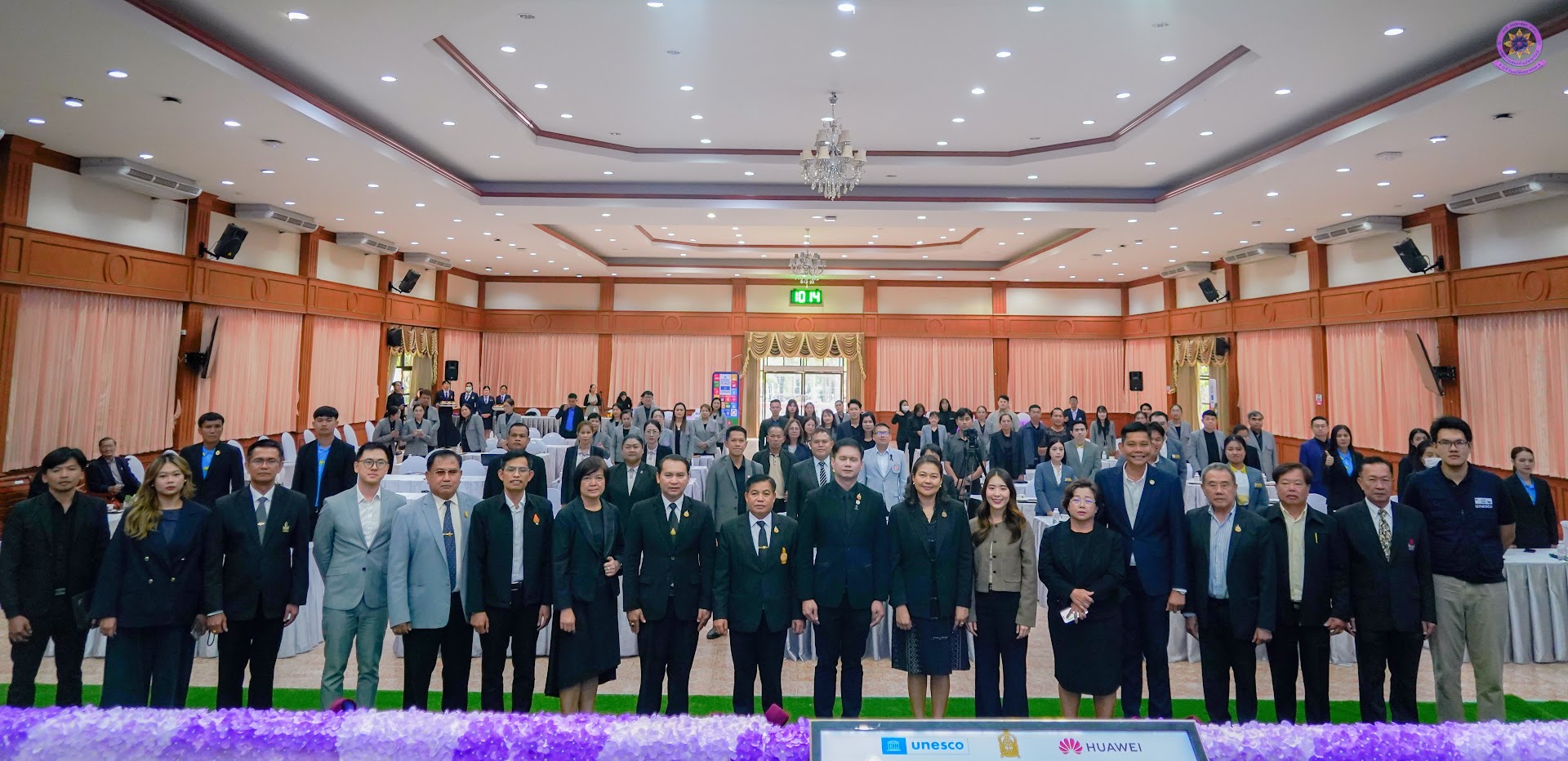
Image source: Huawei / The launch event was attended by students, teachers, and senior representatives from Thailand’s Ministry of Education, UNESCO, and Huawei
The successful outcomes of these two projects, which were completed at the end of 2025, have demonstrated that the Open Schools initiative is scalable to rural schools across Thailand.
The rural-urban education divide
While Thailand has made progress in expanding education access, geographic inequality is still a major challenge. Urban students benefit from stronger infrastructure, more qualified teachers, and better learning environments. Rural students, particularly in the northeastern areas like Isan, face systemic disadvantages that limit long‑term educational and economic mobility.
Fig 1. Disadvantages for rural students
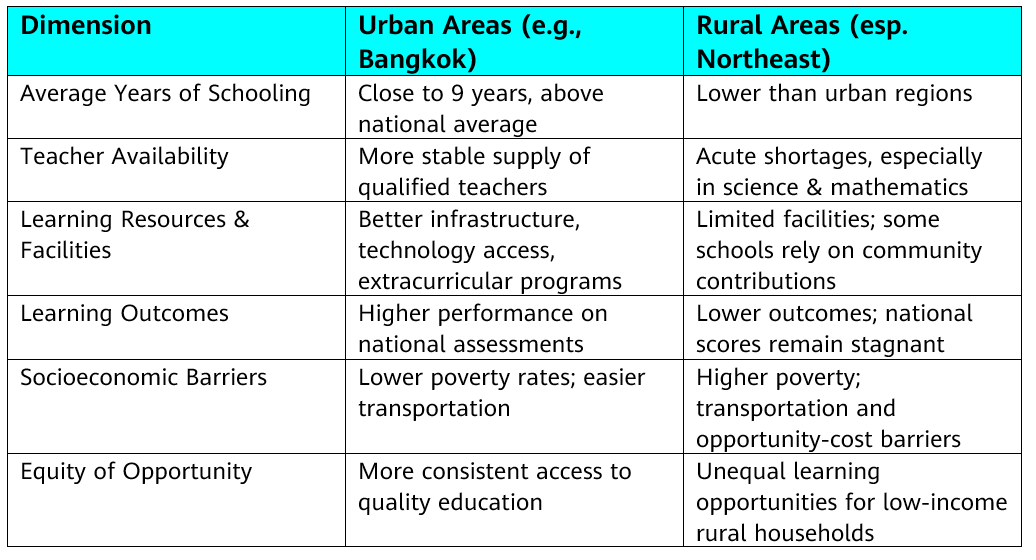
Table source: Huawei
In Buriram and Sisaket, the Open Schools project:
- Installed smart classroom solutions in 10 secondary schools, benefiting around 4,000 students
- Provided digital teaching tools and training for 150 teachers to integrate ICT into classrooms
With digital tools, smart screens, and cloud-enabled learning support, all of the participating schools now have access to smart classroom technology.
Scalability and bridging the urban-rural education divide by empowering students and teachers with technology are key approaches of the Open Schools strategy.
In the Buriram and Sisaket projects, teachers are already noting higher engagement due to the smart classrooms.
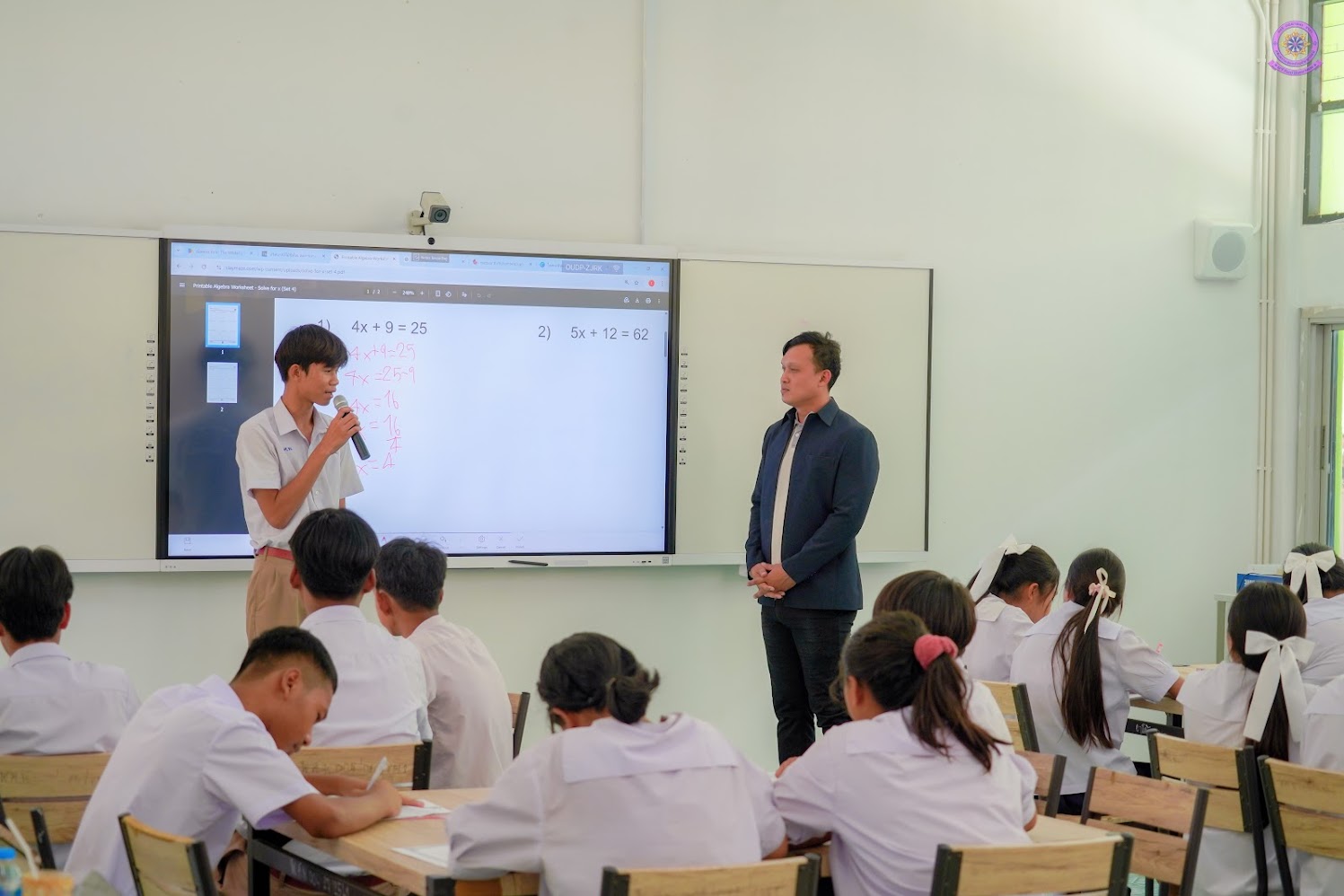
Image source: Huawei / Thai students in an Open Schools smart classroom environment
What the Open Schools partners say
Ministry of Education, Thailand
“The UNESCO-Huawei Funds-in-Trust Project on Technology-Enabled Open Schools for All stands as a powerful example of collaboration dedicated to transforming education into a system that is open, inclusive, flexible, and resilient in the face of a rapidly changing world. As the future of education cannot be confined within classroom walls, it must bridge sectors and communities, working collaboratively to create equitable and sustainable opportunities for all.”
Chitralada Chanyaem, Deputy Secretary-General of the Thai National Commission for UNESCO Bureau of International Cooperation, Office of the Permanent Secretary for the Ministry of Education
UNESCO
“At UNESCO, we are committed to promoting the ethical and inclusive use of AI in ways that empower teachers and expand opportunities for every learner. While Smart Classrooms provide important tools, it is teachers' creativity, professional judgement and leadership that ultimately bring these innovations to life.”
Marina Patrier, UNESCO Bangkok's Deputy Director and Chief of Education
Huawei
“Huawei believes technology should be a force for narrowing gaps and expanding opportunities. When applied effectively, it can turn geographic barriers into connections,” The Open Schools for All initiative is not simply about infrastructure — it represents a commitment to using technology as a bridge to deliver quality education to remote and underserved communities.”
Li Zongsheng, Board Director, Huawei Technologies Thailand
Phase II Open Schools projects and Phase I outcomes
UNESCO and Huawei, under TECH4ALL, launched the Open Schools initiative in 2020. Phase I ran from 2020 to 2023 in Egypt, Ethiopia, and Ghana. Phase II was launched in Brazil, Egypt, and Thailand in 2023, with projects currently ongoing in Brazil and Egypt.
- In Egypt, Open Schools supports 950,000 K-12 educators through the National Distance Learning Centre, and provided training in digital skills for 300 teachers. The National Distance Learning Centre is designed to enhance remote learning and digital literacy in underserved communities.
- In Ghana, the project benefits 1,000 teachers and 3,000 students in 10 pilot schools.
- In Ethiopia, Open Schools benefits 12,000 students and 250 educators in 24 secondary schools.
Learn more about Huawei's TECH4ALL education projects.
Disclaimer: Any views and/or opinions expressed in this post by individual authors or contributors are their personal views and/or opinions and do not necessarily reflect the views and/or opinions of Huawei Technologies.
Leave a Comment