Tech4Nature: Nature Conservation's Digital Revolution
Nature conservation is entering a new era. As highlighted by IUCN at the Huawei Innovative Data Infrastructure (IDI) Forum 2026 in Paris, France, what was once a field dominated by notebooks, binoculars, and long hours in remote landscapes is now one of the fastest-emerging frontiers for advanced data infrastructure, AI, and cloud technologies. Conservation today is multi-modal sensing, high-resolution imagery, genomics, and AI-enabled analytics, a shift that sits at the heart of the IUCN Programme 2026–2029 and the Union’s 20-year strategic vision for a just world that values and conserves nature.
But this transformation is not simply about adopting new tools. It is reshaping how we understand ecosystems, how we detect threats, and how we make decisions that affect species, landscapes, and communities. Conservation is becoming a high-intensity data domain, and this opens extraordinary opportunities for impact, if the digital transition is guided by responsible, inclusive, and rights-based innovation, as emphasised across the IUCN Programme.
A new era of biodiversity data
Across ecosystems, conservationists are increasingly deploying technologies that generate unprecedented volumes of information:
- Camera traps capturing millions of images
- Acoustic sensors recording continuous soundscapes
- Environmental DNA (eDNA) revealing species presence from a single sample
- Animal‑borne sensors tracking movement, behaviour, and environmental conditions
- Drones and satellites monitoring forests, coasts, and coral reefs
- Citizen science apps enabling real‑time reporting
- AI‑driven analytics automating species detection and threat identification
But the Programme is equally clear: technology must be deployed responsibly, ensuring that data systems respect rights, uphold equity, and empower the people and communities who steward biodiversity.
The digital conservation stack
To make sense of this complexity, conservation is increasingly adopting a layered digital architecture: the digital conservation stack:
- Sensing (camera traps, acoustics, satellites, IoT)
- Ingestion & cleaning
- Storage & compute
- Analytics & AI
- Decision‑support systems
The Programme emphasises the need for robust knowledge foundations, digital public goods, and integrated monitoring systems. The digital conservation stack is the architecture that makes this possible.
Why advanced digital infrastructure matters
The volume, velocity, and variety of conservation data are exploding. Without robust infrastructure – cloud platforms, high‑performance compute, secure storage, and integrated pipelines – critical insights remain locked away.
This is where technology leaders have a transformative role to play. Conservation needs:
- Scalable cloud environments
- High‑performance computing for AI model training
- Secure, rights‑based data governance
- Real‑time data flows from sensors to decision‑makers
- Interoperable platforms that connect local, national, and global systems
- These capabilities directly support the Programme’s focus on enabling conditions – the digital, institutional, and governance systems required to deliver effective and equitable conservation.
From pilots to platforms: The Tech4Nature partnership
A powerful example of responsible and inclusive innovation is Tech4Nature, the global partnership between IUCN and Huawei. When conservation standards, technology, and local leadership align, impact becomes scalable.
Since its launch in 2020, Tech4Nature has brought together:
- IUCN’s global conservation standards
- Huawei’s technological expertise
- Local partners’ knowledge and leadership
Spain: AI‑enabled monitoring to better understand visitor impacts in protected natural areas
In Spain, Tech4Nature is deploying AI, acoustic monitoring, and remote sensing to strengthen conservation in Sant Llorenç del Munt i l’Obac Natural Park and Sierra Nevada National Park. Eleven acoustic devices, eleven camera traps, and three light sensors record data, which is then analysed using specialised AI-based software, improving the monitoring of species, habitats, and visitor-use patterns.
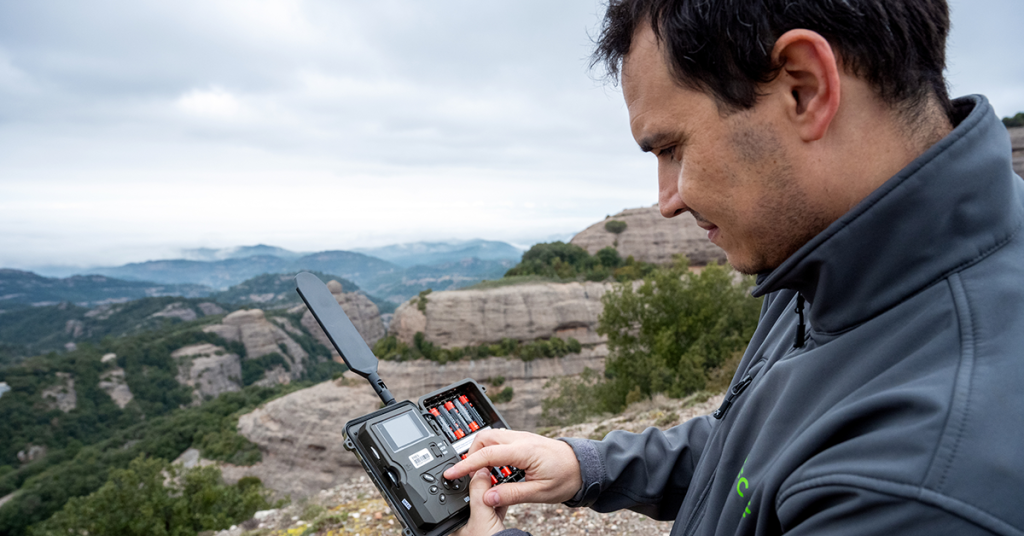
Tech4Nature Spain by Gemma Miralda. © AP Content Services for Huawei 2026
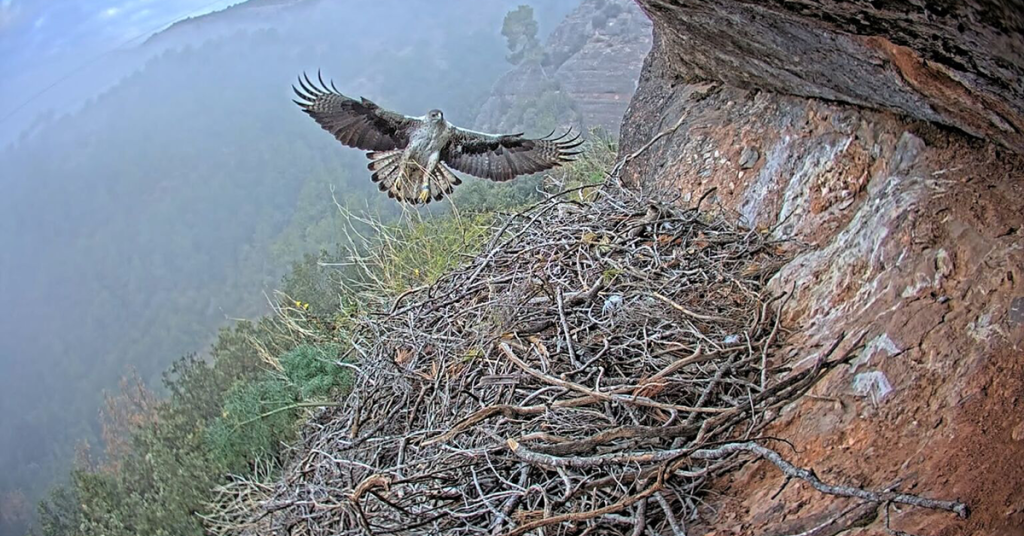
Camera trap image of Bonelli’s eagle – Tech4Nature Spain. © IUCN 2024
In Mexico’s Dzilam State Reserve, AI, camera traps, and eco‑acoustic monitoring are helping track jaguars across mangroves, wetlands, and forests. The project has analysed over 80,000 images and 600,000 audio files, documenting more than 140 species.
The BioScanner platform – developed under Tech4Nature Mexico – is now emerging as an important tool for wildlife research teams across the jaguar range states.
These examples illustrate the Programme’s emphasis on innovation, partnerships, and scalable digital ecosystems, grounded in community‑centred, rights‑based approaches.
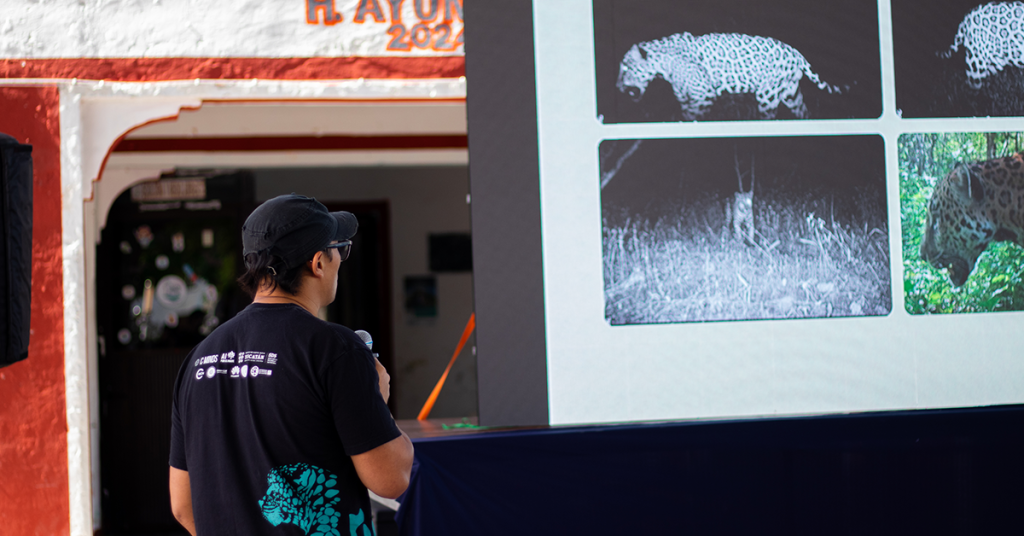
Tech4Nature Mexico at Chac Mool Festival by CMinds © IUCN 2026
Responsible and inclusive innovation: A foundation for the next 20 years
The IUCN Programme 2026–2029 and the Union’s 20‑year strategic vision both place responsible and inclusive innovation at the centre of global conservation efforts.
This means:
- Rights‑based data governance that protects people and nature
- Community‑centred design that ensures technology serves local priorities
- Transparency and explainability in AI to build trust
- Ethical use of sensors and monitoring technologies
- Inclusive digital ecosystems that do not leave behind high‑biodiversity regions with limited capacity
These principles ensure that digital transformation strengthens – not undermines – trust, equity, and long‑term impact. They are not optional. They are foundational to the future of conservation.
A strategic opportunity for technology leaders
Nature conservation is no longer a niche environmental activity. It is a strategic digital frontier – one that requires the same sophistication found in finance, health, and smart cities.
For technology leaders, this is an opportunity to:
- Apply advanced infrastructure to real‑world environmental challenges
- Co‑develop scalable digital ecosystems
- Build responsible AI for biodiversity
- Support high‑biodiversity regions with limited digital capacity
- Contribute to global sustainability goals
This aligns directly with the Programme’s call for cross‑sector collaboration, innovation partnerships, and mobilising digital capabilities for nature.
This is not just corporate responsibility. It is innovation with purpose.
A future where nature thrives
If we get this right, we can build a future where technology strengthens our relationship with nature – not weakens it.
A future where ecosystems are monitored, protected, and restored with the best local knowledge and leadership, supported by responsible and inclusive tools.
A future where data empowers communities, informs decisions, and accelerates conservation success.
A future where nature thrives – the very vision at the heart of the IUCN Programme 2026–2029 and the Union’s 20‑year strategic direction.
Learn more about the global Tech4Nature partnership.
Disclaimer: Any views and/or opinions expressed in this post by individual authors or contributors are their personal views and/or opinions and do not necessarily reflect the views and/or opinions of Huawei Technologies.
Leave a Comment