Huawei ICT Competition 2025-2026: Three AI Projects that Expand Access to Healthcare and Mobility
When we talk about AI, the conversation often focuses on automation, productivity, and technological advancement. And themes were very well-represented in the outstanding AI-powered innovations presented by students from around the world at the Huawei ICT Competition Global Final 2025-2026 in Shenzhen.
Yet some of the most meaningful innovations were those that could make services, opportunities, and essential resources accessible to people who have traditionally been excluded.
When looking at this year’s Innovation Competition entries through the TECH4ALL lens and not just as a judge, several entries stood out to me for their potential to improve inclusion: ARE MED Health OS, DermaLens, and TouchBike. While they address very different challenges, they share a common objective: removing barriers that prevent people from participating fully in society.
ARE MED Health OS
Institut National Polytechnique Félix Houphouët-Boigny (INP-HB), Côte d'Ivoire
ARE MED Health OS tackles one of healthcare's most overlooked challenges: communication. The illiteracy rate of Côte d'Ivoire, which is located in West Africa, sits at around 45%, or nearly 15.1 million of its 33.5 million population.
Healthcare systems frequently assume that patients can read, write, and communicate comfortably in official languages. In reality, millions of people rely on local dialects and culturally specific expressions to describe symptoms and health concerns. Such is the case in Côte d'Ivoire, which is home to between 70 and 80 dialects. ARE MED Health OS uses Huawei’s solutions and AI to interpret dialect-specific expressions and bridge the gap between patients and healthcare providers.
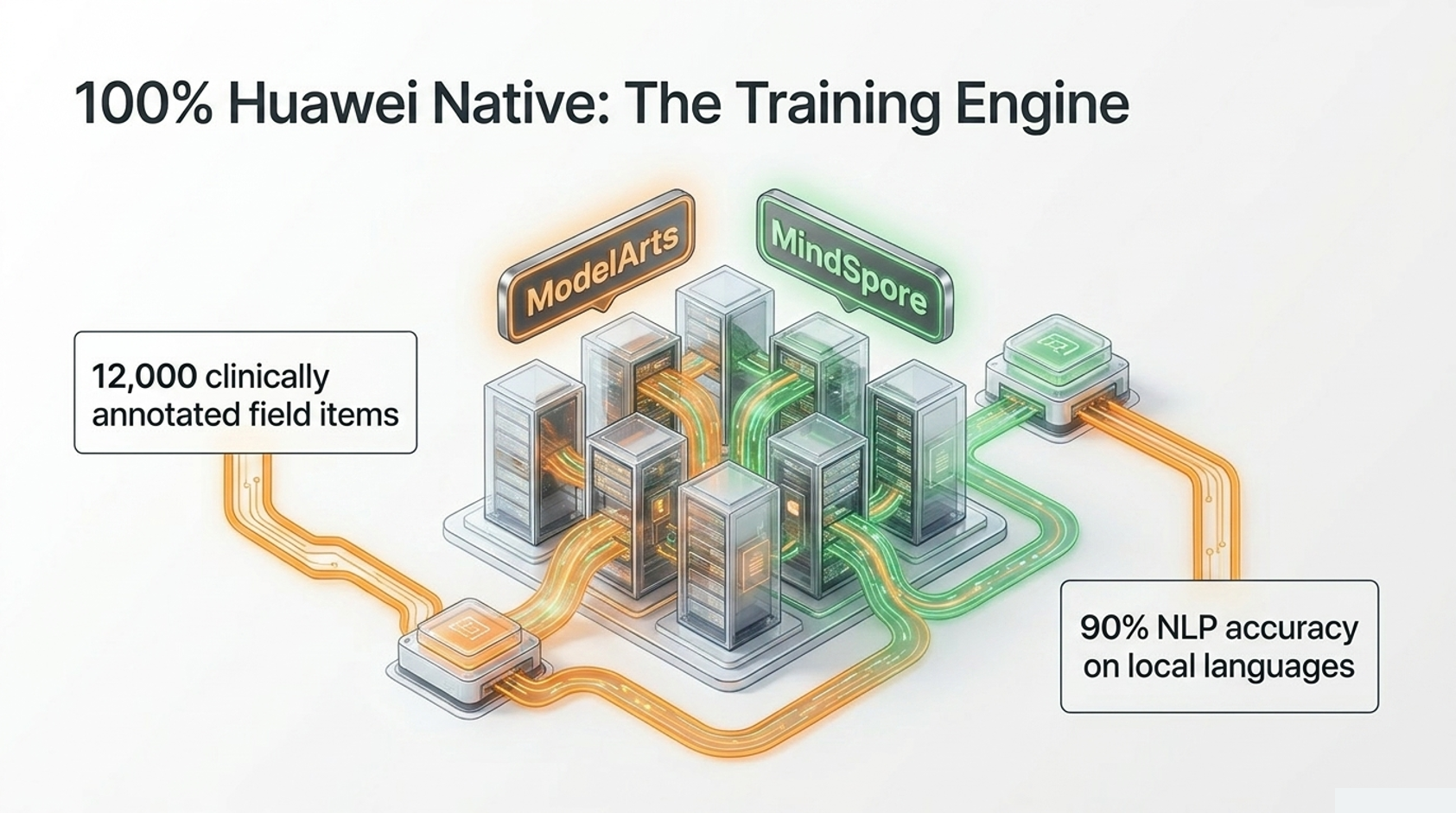
Image Source: Cote d'Ivoire ARE, Institut National Polytechnique Félix Houphouët-Boigny (INP-HB)
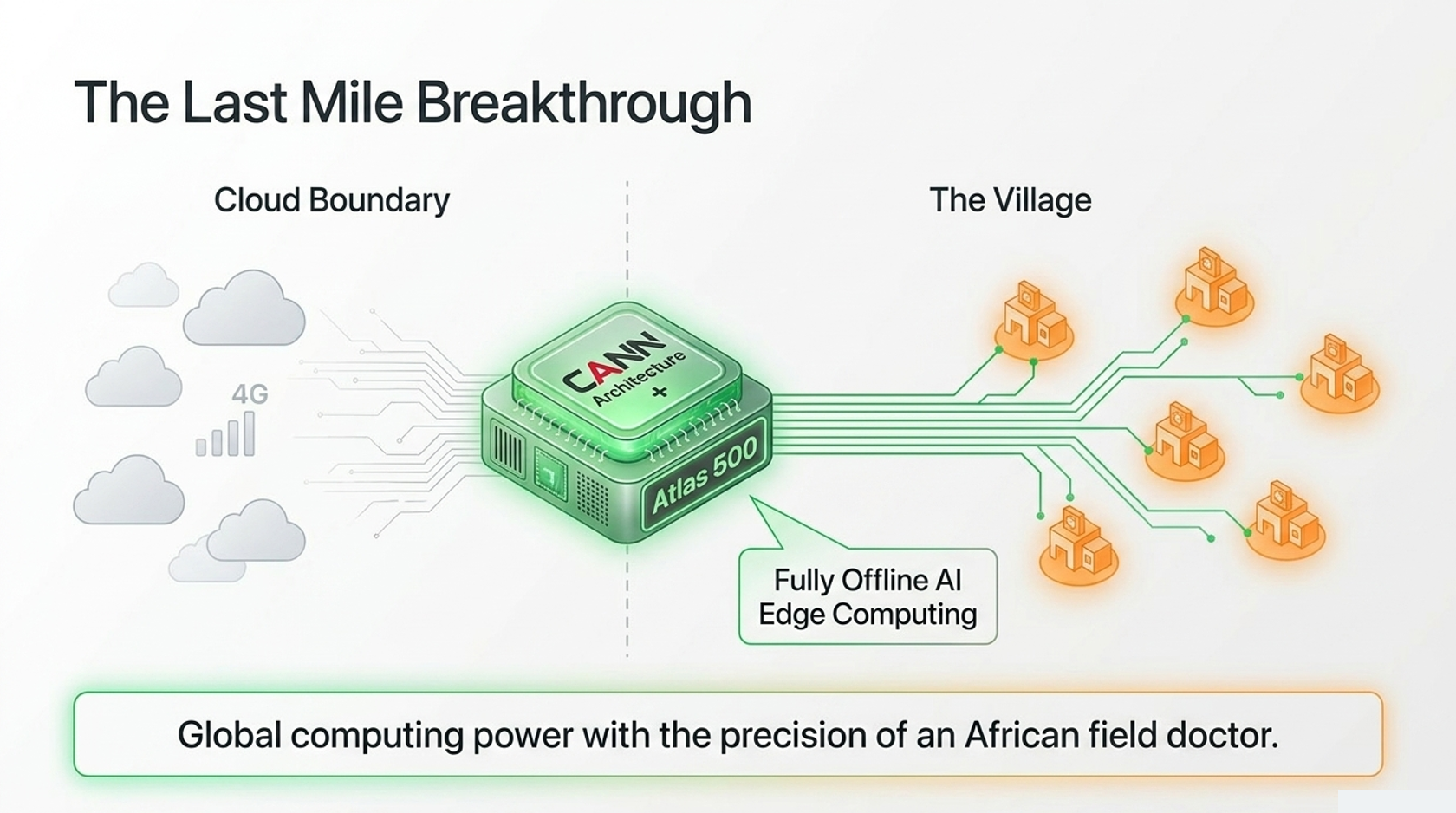
Image source: Cote d'Ivoire ARE, Institut National Polytechnique Félix Houphouët-Boigny (INP-HB)
Its offline capability extends access to areas where reliable Internet connectivity cannot be guaranteed, while its voice command function via WhatsApp integration makes the solution usable by people with low literacy levels.
Video source: Cote d'Ivoire ARE, Institut National Polytechnique Félix Houphouët-Boigny (INP-HB)
By adapting technology to people rather than forcing people to adapt to technology, ARE MED demonstrates a powerful model of inclusive innovation.
DermaLens
Institut Teknologi Bandung, Indonesia
DermaLens focuses on another major barrier: geography. Access to specialist healthcare is often concentrated in urban centres, leaving rural communities underserved.
The platform targets neglected tropical diseases (ntds), which disproportionately affect marginalized, rural populations with poor access to sanitation, clean water, and healthcare.
The solution uses AI-powered skin disease screening to support frontline healthcare workers and enable earlier identification of potential conditions. Rather than replacing clinicians, it acts as a decision-support tool, extending specialist expertise into communities where access may otherwise be limited.
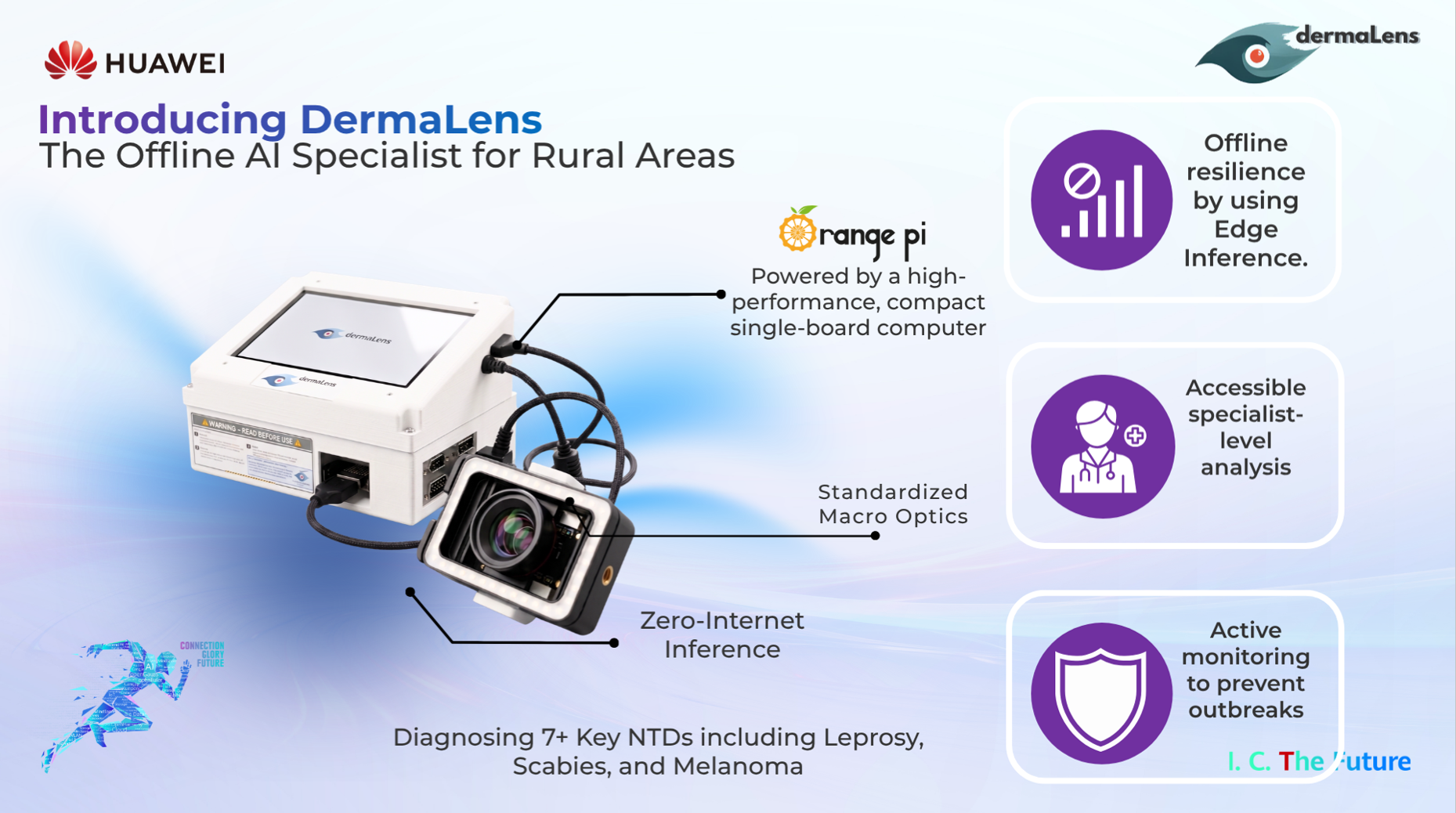
Image source: Team Hawkeye, Institut Teknologi Bandung
For patients, this can mean faster diagnosis, reduced travel burdens, and improved healthcare outcomes.
TouchBike
IFBA - Instituto Federal de Educação, Ciência e Tecnologia da Bahia, Brazil
TouchBike broadens the conversation beyond healthcare and into mobility. Designed for deaf and hearing-impaired cyclists, the system converts environmental information into tactile and visual feedback. Sensors detect nearby vehicles, obstacles, and important warning sounds, communicating them through vibrations and visual indicators.
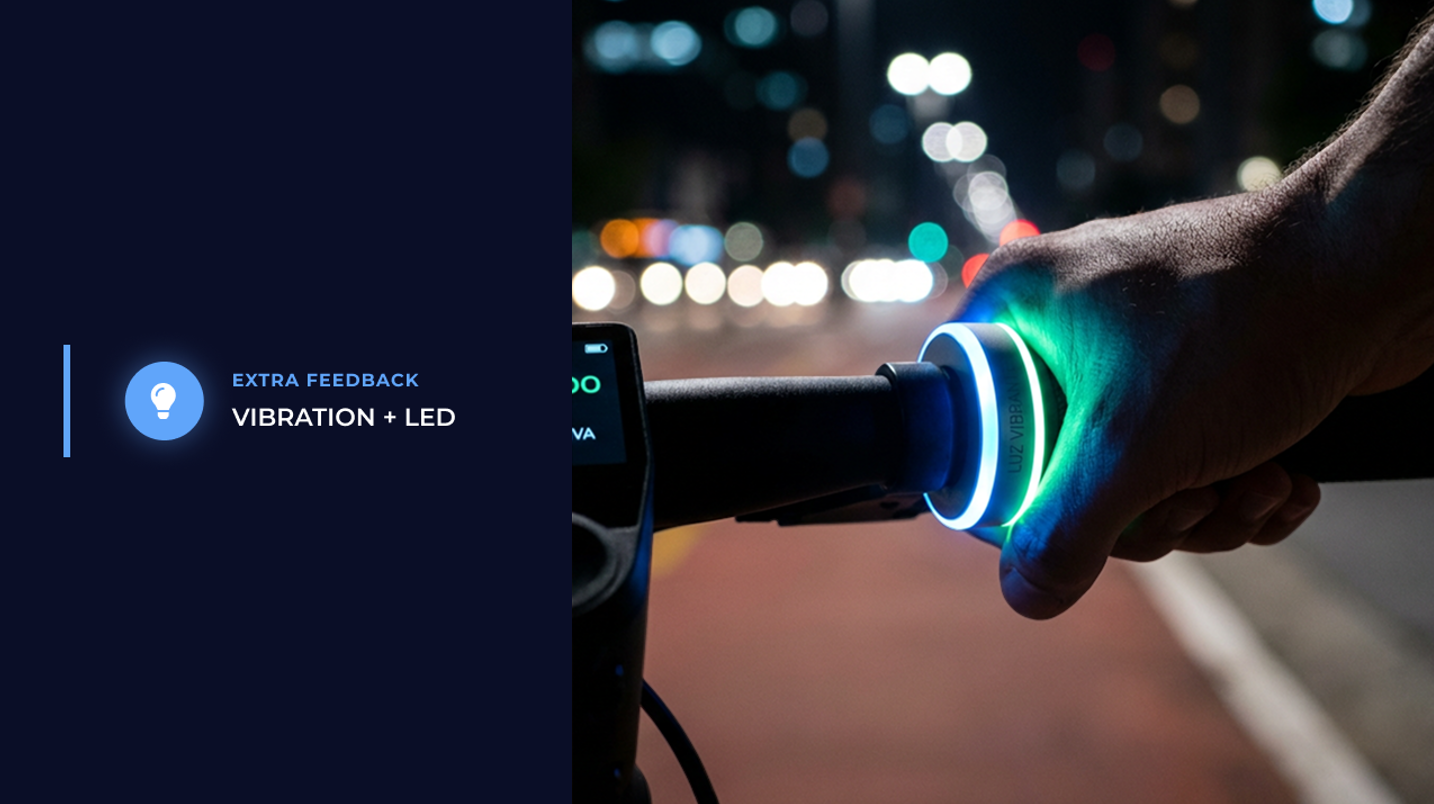
Image source: TouchBike, IFBA
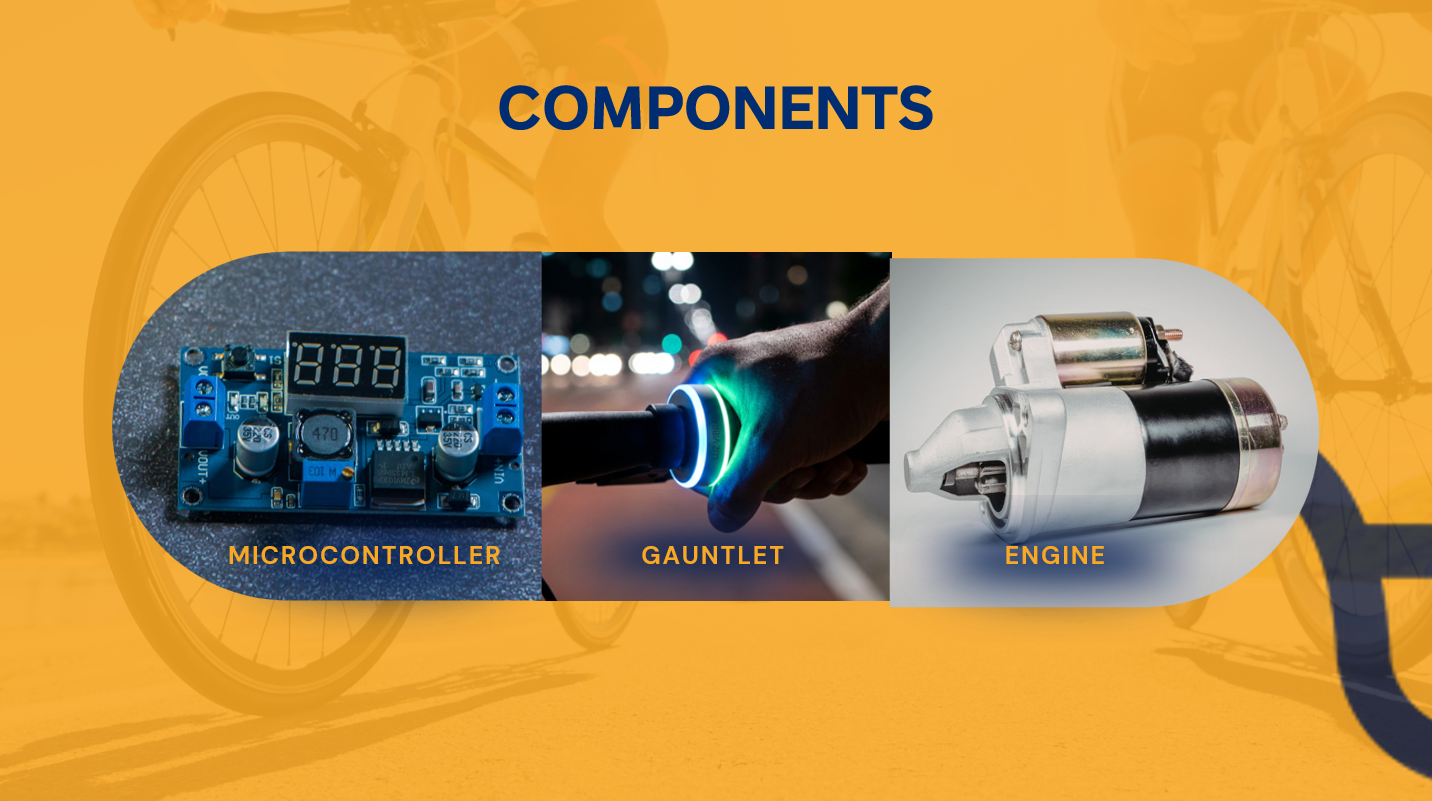
Image source: TouchBike, IFBA
The result is a safer and more accessible cycling experience that promotes independence and confidence. Importantly, the benefits may extend beyond the hearing-impaired community, demonstrating how inclusive design often creates value for a much wider audience.
Video source: TouchBike, IFBA
What unites these projects is their focus on people rather than technology. None relies on a breakthrough algorithm alone. Instead, each begins with a real-world barrier and uses technology to reduce or remove it. Language barriers, geographic barriers, and accessibility barriers can all limit participation in society. By addressing these challenges directly, the projects show how innovation can create opportunities for individuals who might otherwise be overlooked.
As artificial intelligence continues to evolve, its true value may lie in its ability to expand access to healthcare, mobility, information, and opportunity. In that sense, inclusion is not simply a social outcome of technology. It is one of its most important measures of success.
About the Huawei ICT Competition
The Huawei ICT Competition is an annual global event designed for students and teachers from colleges and universities. It offers an international platform for competition and exchange, enabling participants to strengthen their ICT knowledge, improve practical skills, and foster innovation using the latest technologies and platforms. Since its launch in 2015, the competition has been gaining significant momentum, with more countries and students joining each year. In China, it has been listed as a national competition for university students, while globally, it has been recognized as a key partner flagship program by UNESCO's Global Skills Academy.
Disclaimer: Any views and/or opinions expressed in this post by individual authors or contributors are their personal views and/or opinions and do not necessarily reflect the views and/or opinions of Huawei Technologies.
Leave a Comment