Teacher Perspectives: The Morocco DigiSchool Journey
The DigiSchool program, organized by Huawei in partnership with the Ministry of National Education, Preschool and Sports, is part of a broader effort to transform teaching practices through the integration of Information and Communication Technologies (ICT) in lower secondary education, particularly in rural areas. Built around the design thinking methodology and the TECH4ALL initiative, the program aims to equip teachers with the skills needed to guide students in developing innovative and practical solutions.
I first participated in the program during its inaugural edition in 2024 as a beneficiary teacher. This experience served as a significant professional development opportunity, both pedagogically and technically. It enabled me to acquire competencies in designing innovative educational projects, integrating digital tools into classroom practices, and supporting students through problem-solving processes.
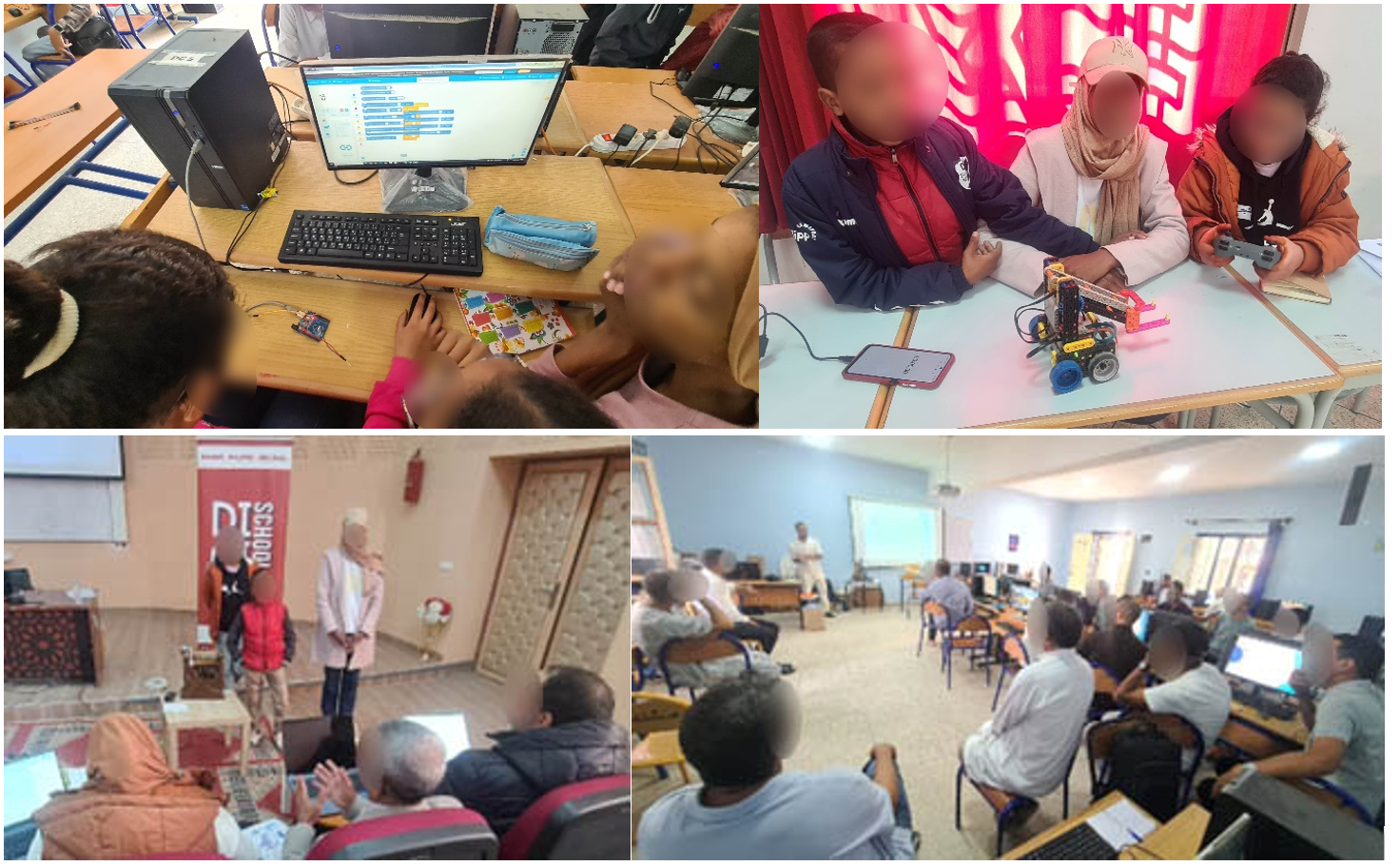
Following this initial experience, I was selected during the second edition as an ambassador of the program. In this role, I contributed to training and mentoring newly selected teachers by sharing my experience, highlighting challenges encountered in implementation, and providing practical strategies for effective classroom integration. This engagement has continued this year, reinforcing a sustainable model of peer-to-peer knowledge transfer.
In parallel, I also participated in the “Teacher Challenge”, a competition designed to showcase innovative teaching practices leveraging ICT. My project focused on enhancing student engagement through the integration of digital tools and active learning strategies. It was selected among the finalists, reflecting the tangible impact of the DigiSchool program on teaching practices.
At the student level, participation materialized through a project titled “Friends of the Environment Factory” (« مصنع أصدقاء البيئة »), presented during a regional hackathon. The project addresses a clearly identified environmental issue: paper waste management in the classroom. Students observed several challenges, including the burden on cleaning staff, accumulation of paper waste, and environmentally harmful disposal practices such as burning.
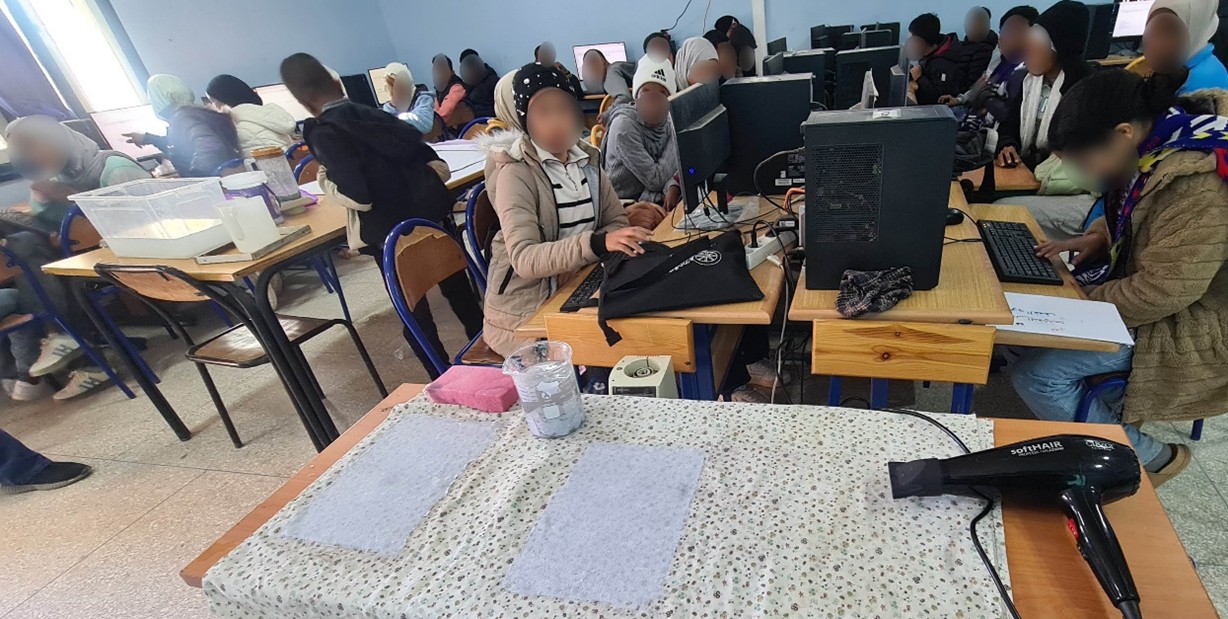
Using a design thinking approach, students developed a solution based on recycling used paper into new usable sheets. The process follows a structured sequence: cutting paper into small pieces, soaking it in water, mechanical grinding, mixing the pulp, molding, and finally drying the new sheets.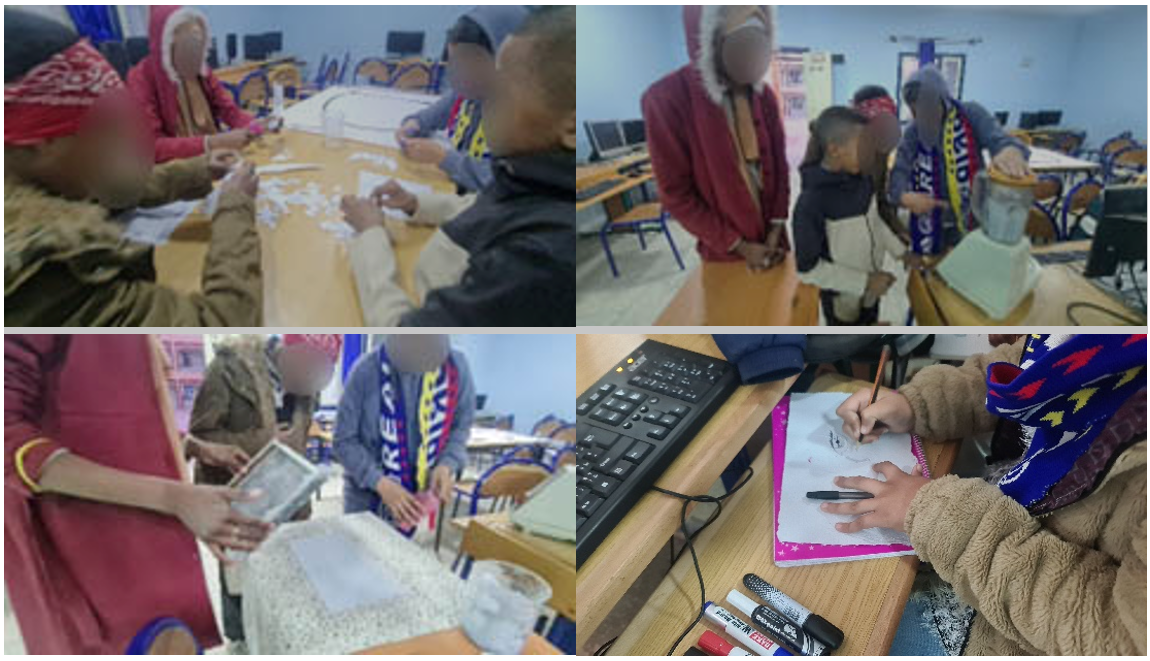
This project goes beyond a simple technical activity. It reflects the development of key 21st-century skills, including critical thinking, creativity, collaboration, and environmental awareness. Students followed the full design thinking cycle, from empathy (problem identification) to ideation, prototyping, and testing.
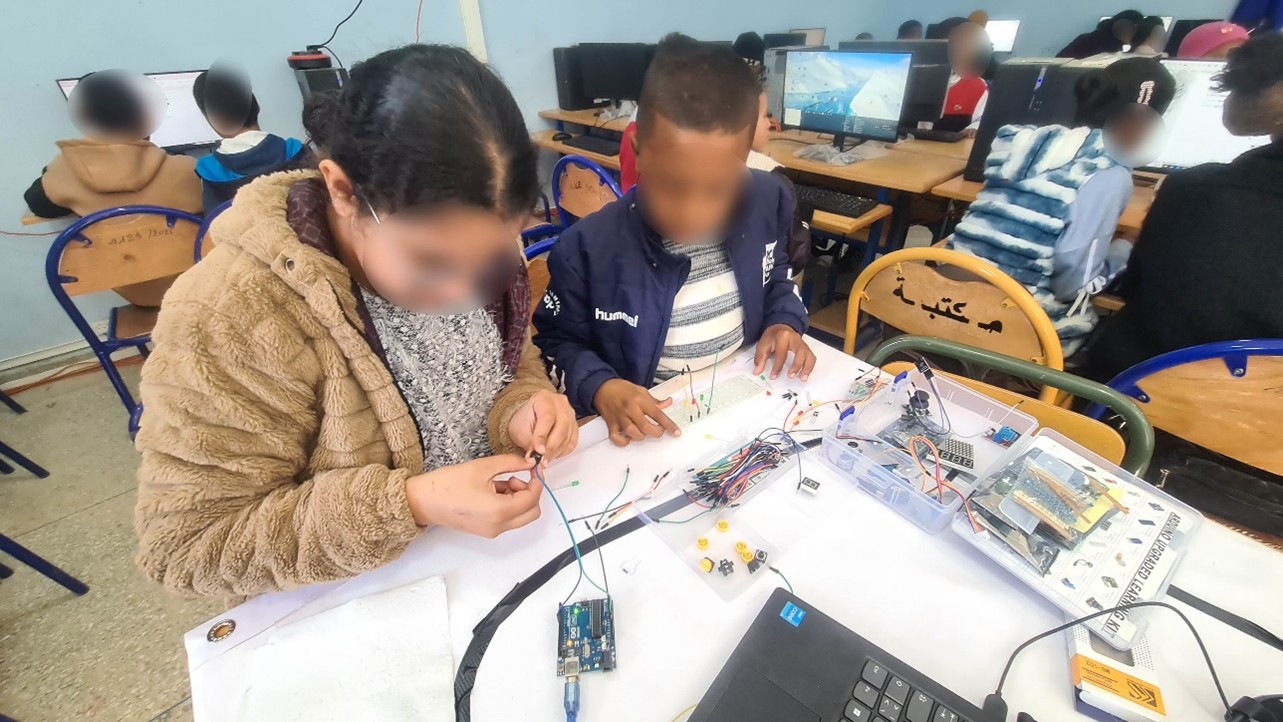
The impact of this project is multifaceted. It promotes environmental awareness, reduces classroom waste, and reinforces project-based learning by positioning students as active participants in their own learning process. It also demonstrates the effectiveness of integrating ICT and innovative pedagogical approaches to enhance educational outcomes.
The DigiSchool experience has significantly reshaped my perspective on teaching. It has facilitated a transition from a traditional knowledge-transmission model to a learner-centered approach emphasizing engagement, autonomy, and competency development. ICT is no longer used as a supplementary tool but as a core pedagogical lever.
In rural contexts, such initiatives are particularly critical. They contribute to reducing the digital divide, expanding access to quality education, and preparing students for the demands of a digital society. The TECH4ALL framework underpinning DigiSchool aligns with broader goals of inclusion and equitable access to technology.
Looking forward, several areas for improvement can be considered, including strengthening post-training support for teachers, establishing collaborative networks among participants, and scaling interdisciplinary student projects.
In conclusion, DigiSchool represents a structured and impactful initiative for educational modernization. My journey from participant to ambassador, combined with the achievements of my students, illustrates the program’s concrete influence on both teaching practices and student engagement. It stands as a model worth sustaining and expanding to address the evolving challenges of education in the digital age.
Author
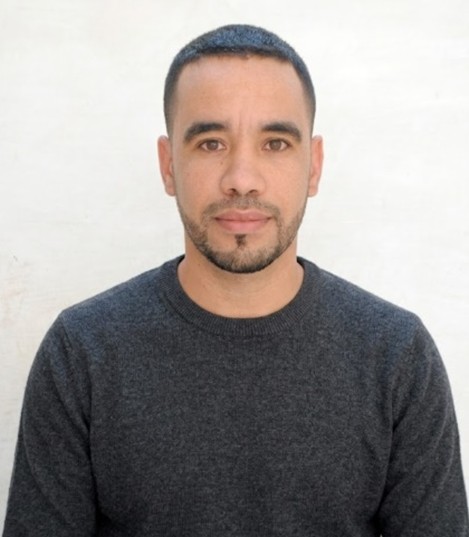
Youssef Amkrane, Computer Science Teacher, Al Amira Lala Khadija Middle School, Daraa Tafilalet, Morocco
Further Reading
Disclaimer: Any views and/or opinions expressed in this post by individual authors or contributors are their personal views and/or opinions and do not necessarily reflect the views and/or opinions of Huawei Technologies.
Leave a Comment